




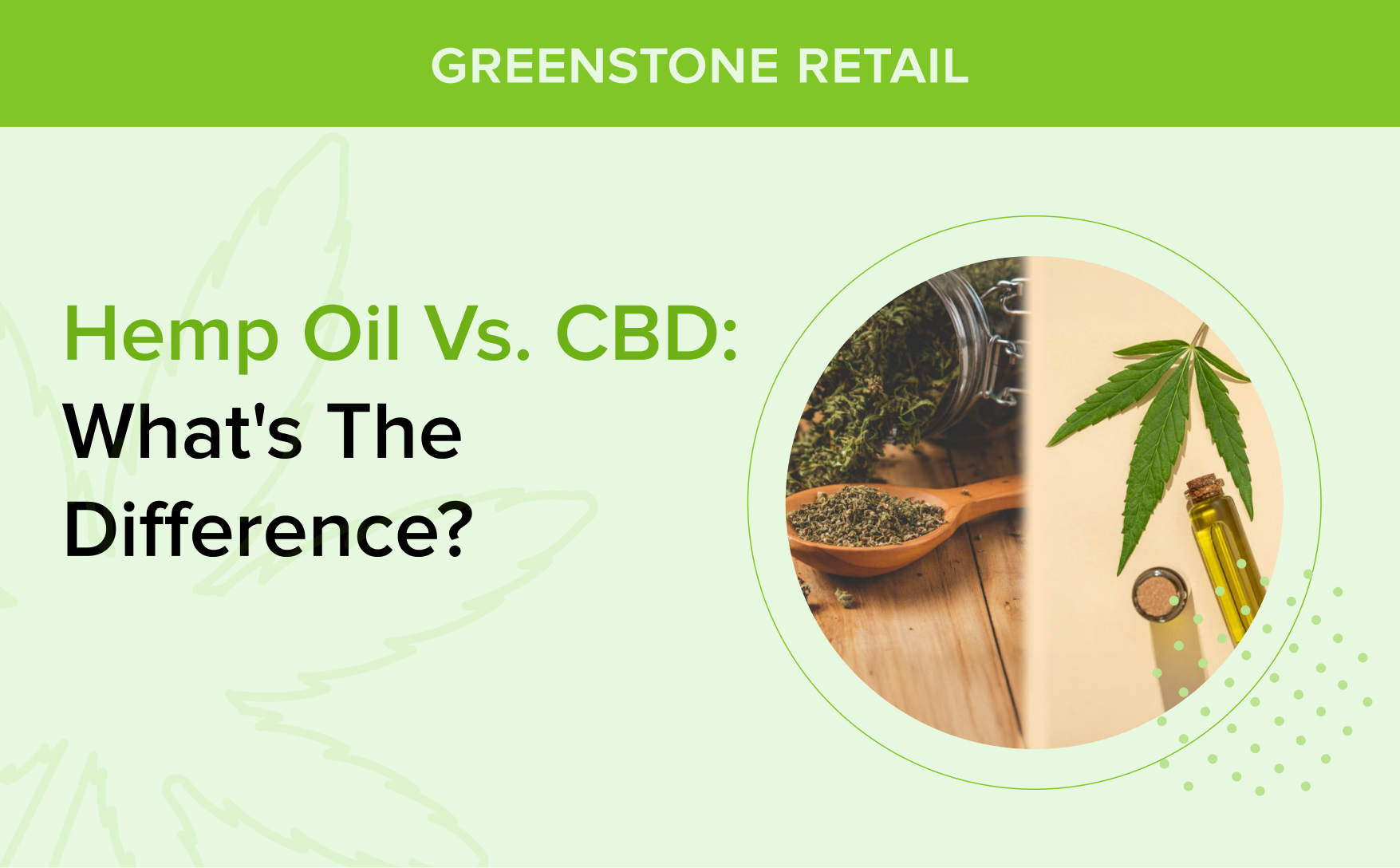
Hemp oil and CBD oil are often mentioned together, and their similar packaging can make them easy to confuse. Both come from the cannabis plant, but they contain different compounds and are used for different purposes.
The key distinction is simple: hemp seed oil is made from hemp seeds and is valued mainly for its nutritional and moisturizing properties, while CBD oil contains cannabidiol, a cannabinoid extracted from cannabis plant material.
Understanding the difference matters when comparing ingredients, potential benefits, THC content, and product labels. This guide breaks down hemp oil vs. CBD oil, explains how each is made, and helps you understand what to look for when exploring cannabis-derived products in California.
Table of Contents
ToggleWhat Is Hemp Oil?
Hemp oil usually refers to hemp seed oil, a plant-based oil produced by pressing hemp seeds (Cannabis sativa).
Unlike cannabis flowers and cannabinoid-rich extracts, hemp seeds do not naturally produce meaningful quantities of CBD or THC. Trace amounts may appear when seeds contact other plant material during harvesting or processing.
Hemp seed oil is valued for its nutritional composition, particularly its essential fatty acids. It is commonly used in foods, cosmetics, and personal care products.
How Is Hemp Seed Oil Made?
Manufacturers generally produce hemp seed oil by mechanically pressing cleaned hemp seeds to release their natural oils. Cold pressing is common because it helps preserve the oil’s nutritional properties without requiring high processing temperatures. The resulting oil is typically greenish or golden in color and has a mild, nutty flavor.
What are the Common Uses of Hemp Seed Oil
Hemp seed oil is used in several everyday products:
- Food products: Added to salad dressings, dips, and other foods for its fatty acid content.
- Skincare: Included in moisturizers, lotions, and facial oils to help condition the skin.
- Haircare: Used in shampoos, conditioners, and hair oils.
- Cosmetics: Added to creams, balms, and other formulations as an emollient.
Hemp seed oil provides essential fatty acids, including omega-3 and omega-6 fats. However, it should not be confused with CBD oil or marketed as offering the same cannabinoid-related properties.
What Is CBD Oil?
CBD oil is a product containing cannabidiol (CBD), one of the naturally occurring cannabinoids found in cannabis plants. CBD can be extracted from hemp or other cannabis varieties, depending on the product and applicable regulations. CBD is often mixed with a carrier oil, such as MCT oil, hemp seed oil, or another suitable oil.
Unlike THC, CBD is not generally intoxicating. However, non-intoxicating does not mean free from side effects or drug interactions. CBD products come in several forms, including oils, tinctures, topical products, and certain prescription medicines.
How Is CBD Oil Made?
CBD oil production generally involves extracting cannabinoid-containing compounds from cannabis plant material. Manufacturers may use carbon dioxide extraction or other processing techniques to separate cannabinoids from the plant.
The extract may then undergo further processing, depending on whether the product is intended to contain primarily CBD or a wider selection of naturally occurring cannabis compounds.
Finally, the CBD extract is blended with a carrier oil to create a finished formulation with a specified cannabinoid concentration.
What Are the Common Types of CBD Oil
CBD oils are often categorized according to their cannabinoid composition.
1. Full-Spectrum CBD Oil
Full-spectrum products contain CBD alongside other naturally occurring cannabis compounds and may contain THC. The exact amount depends on the source material, formulation, and applicable regulations.
2. Broad-Spectrum CBD Oil
Broad-spectrum products generally contain CBD and other cannabis-derived compounds but are processed to remove THC. Consumers should still verify the product’s laboratory results rather than assuming it is entirely THC-free.
3. CBD Isolate Oil
CBD isolate products contain purified cannabidiol blended with a carrier oil. They are intended to provide CBD without the broader range of cannabinoids found in full-spectrum extracts.
Full-spectrum and broad-spectrum are common marketing terms, so laboratory documentation remains important when evaluating the actual composition.
Key Differences Between Hemp Oil and CBD Oil
While both products originate from cannabis-related plant material, their composition and intended applications differ considerably.
1. Source and Extraction
Hemp seed oil comes from pressed hemp seeds. CBD oil contains cannabidiol extracted from cannabinoid-bearing parts of the plant, particularly flowers. This distinction explains why ordinary hemp seed oil does not offer the same cannabinoid content as CBD oil.
2. Nutritional Content vs. Cannabinoids
Hemp seed oil contains fatty acids and other naturally occurring seed-derived compounds. Its value is primarily nutritional and cosmetic. CBD oil is defined by its cannabidiol content. Its fatty acid composition depends on the carrier oil used in the formulation.
Interestingly, hemp seed oil can also serve as the carrier oil in a CBD product. In that case, the finished product contains both hemp seed oil and added cannabidiol.
3. Effects on the Body
People consume hemp seed oil as a food ingredient or apply it to the skin. It does not produce cannabis intoxication. CBD interacts with biological systems involved in cannabinoid signaling, although its effects are complex and not fully understood.
Researchers continue investigating CBD’s potential applications, but evidence for many commonly advertised wellness uses remains limited.
4. THC Content
Properly produced hemp seed oil naturally contains no meaningful THC, although small amounts may be introduced through contact with other plant material. CBD oil may contain no detectable THC or varying amounts of THC, depending on whether it is an isolate, broad-spectrum, or full-spectrum formulation.
Product labels and independent laboratory testing are more reliable than assuming a CBD oil is THC-free.
5. Product Labeling
Hemp seed oil commonly appears on ingredient lists as Cannabis sativa seed oil. CBD-containing products may list cannabidiol, CBD, or cannabinoid-containing hemp extract. The presence of the word “hemp” alone does not establish whether a product contains cannabidiol.
Comparing the Benefits of Hemp Oil and CBD Oil
Hemp seed oil and CBD oil are often promoted for wellness, but it is important to distinguish established properties from claims still under research.
Potential Benefits of Hemp Seed Oil
Hemp seed oil contains polyunsaturated fatty acids, including essential omega-3 and omega-6 fats. As a food ingredient, these fatty acids contribute to normal nutritional functions. In skincare formulations, hemp seed oil can act as an emollient, helping soften and condition the skin.
However, hemp seed oil is not a treatment for medical conditions, and its nutritional value should not be confused with the effects of CBD.
Potential Benefits of CBD Oil
CBD has attracted scientific interest for its possible therapeutic applications. The clearest established medical use involves purified, prescription cannabidiol. The FDA has approved Epidiolex for seizures associated with certain specific epilepsy-related conditions.
Research is continuing into other potential applications, including anxiety, sleep, and pain. However, evidence varies, and over-the-counter CBD oils should not be assumed to have proven medical benefits.
CBD may also cause side effects, including sleepiness, digestive problems, and changes in liver function. It can interact with certain medications.
For these reasons, consumers considering CBD for a health-related purpose should consult a qualified healthcare professional rather than relying solely on marketing claims.
How to Tell Hemp Oil and CBD Oil Apart
One of the most common sources of confusion is product labeling. A bottle labeled “hemp oil” may contain ordinary hemp seed oil, CBD-rich extract, or a combination of ingredients.
Here are five practical checks.
1. Check the Ingredient List
Look for Cannabis Sativa Seed Oil if the product is marketed as hemp seed oil. For CBD oil, look for cannabidiol, CBD, or clearly identified cannabinoid-containing extract.
2. Look for CBD Content in Milligrams
CBD products should clearly identify how much cannabidiol they contain. For example, a product may state its total CBD content per bottle and, where applicable, per serving. Do not confuse total package content with the amount in a single serving. Hemp seed oil generally has no declared CBD concentration.
3. Review the Certificate of Analysis
A Certificate of Analysis (COA) is a laboratory report that can identify cannabinoid levels and, depending on the testing performed, potential contaminants. Check whether the document matches the product’s batch number and identifies both CBD and THC concentrations.
4. Identify the Intended Use
Hemp seed oil commonly appears in culinary products and skincare formulations. CBD oil is generally marketed as a cannabinoid-containing product. The intended use, ingredients, and method of application should all be clearly stated on its packaging.
5. Avoid Misleading Claims
Be cautious of products that claim to cure diseases or guarantee specific medical outcomes. A high-quality label should explain what the product contains without relying on unsupported therapeutic promises.
Are Hemp Oil and CBD Oil Legal in California?
Hemp seed oil and CBD products face different regulatory considerations in California. Hemp seed oil can be used as an ordinary food or cosmetic ingredient when it meets applicable requirements. CBD products require more attention because their legal treatment depends on their source, cannabinoid content, product category, and sales channel.
California regulates cannabis products through the Department of Cannabis Control. The state has also strengthened restrictions on intoxicating hemp products, including products containing detectable THC.
As of 2026, California’s Assembly Bill 8 establishes additional requirements and a future framework for integrating intoxicating hemp products into the licensed cannabis market.
Where to Explore Cannabis Products in California
Understanding the difference between hemp oil and CBD makes it easier to evaluate cannabis-related products and interpret cannabinoid labels.
At GreenStone Retail, California customers can explore cannabis product categories, review available product details, and compare cannabinoid information where provided.
Browse GreenStone’s online cannabis menu to explore current selections, including oils and other cannabis-derived products when available. Always check the product’s ingredients, cannabinoid content, and delivery eligibility.
Final Thoughts
The biggest difference between hemp oil and CBD oil is their composition. Hemp seed oil is primarily valued for its fatty acids and moisturizing properties, while CBD oil contains cannabidiol, a compound with different biological characteristics.
Although both originate from cannabis-related plants, they are not interchangeable. Understanding their ingredients, cannabinoid content, labeling, and intended uses can help you compare them more informedly.
Explore GreenStone Retail’s cannabis collection to learn more about available cannabis products and their cannabinoid profiles.
FAQs
No. Hemp seed oil comes from pressed hemp seeds and is primarily used for nutritional and cosmetic purposes. CBD oil contains cannabidiol extracted from cannabinoid-rich cannabis material. However, some brands use the term hemp oil to describe CBD-containing products, so checking the label is essential.
Ordinary hemp seed oil does not naturally contain meaningful amounts of CBD. Trace cannabinoids can be introduced during harvesting or processing, but hemp seed oil should not be considered a source of cannabidiol.
Hemp seed oil does not produce a high. CBD itself is non-intoxicating, but some CBD products contain THC, which can cause intoxication depending on the amount consumed.
Hemp seed oil is commonly used as a moisturizer and skin conditioner. CBD is included in some topical formulations, but research has not established that CBD products are generally superior to hemp seed oil for skincare. The complete formulation matters.
Neither is universally better. Hemp seed oil is useful as a nutritional or cosmetic ingredient, whereas CBD oil is intended to deliver cannabidiol. The appropriate comparison depends on the ingredients, intended use, and available scientific evidence.
Yes. Some CBD oils use hemp seed oil as their carrier. These products contain added cannabidiol alongside the seed-derived oil, combining two different cannabis-derived ingredients in one formulation.