




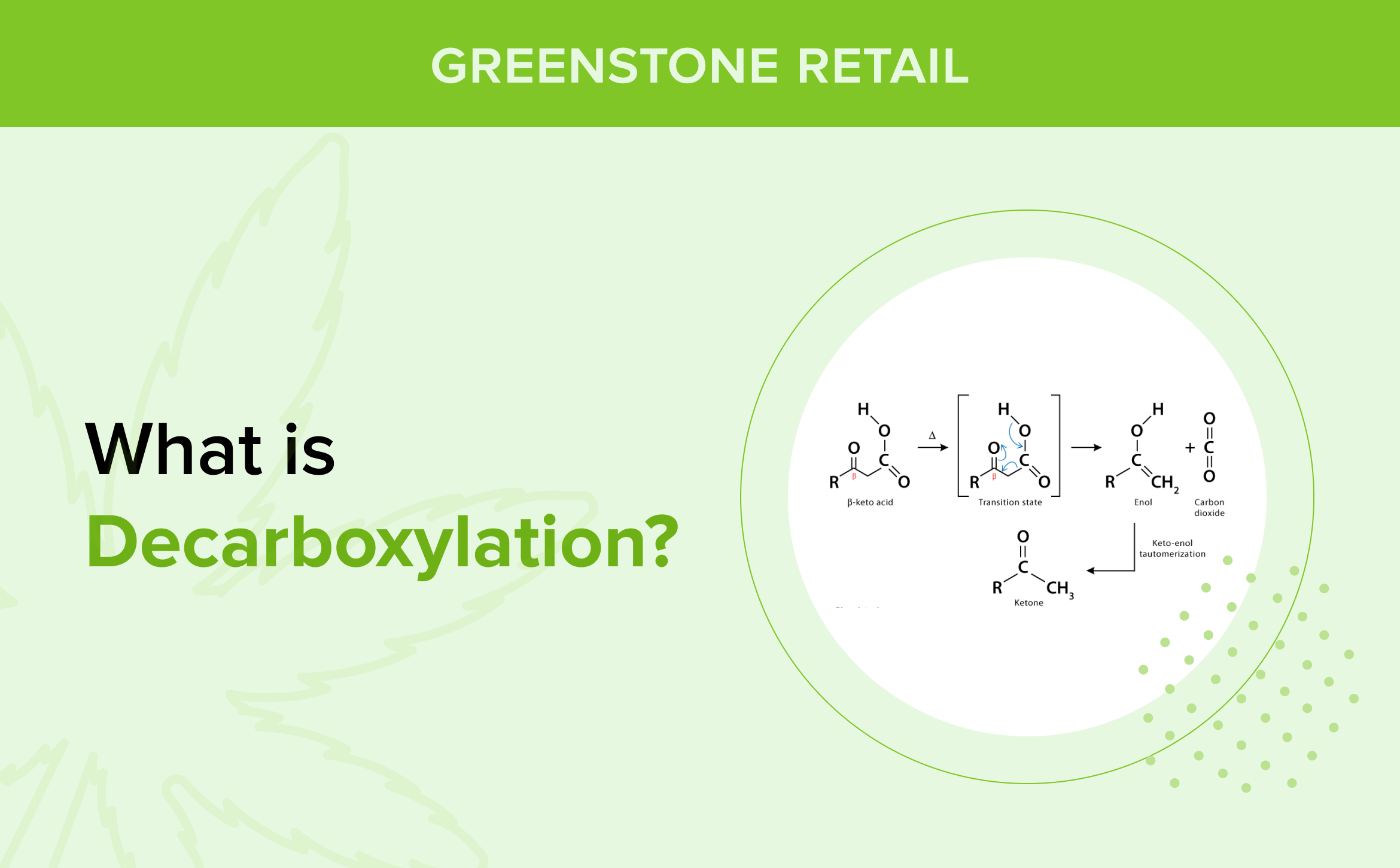
If you have ever wondered why cannabis feels different depending on how it is consumed, decarboxylation is one of the most important reasons why.
Decarboxylation is the process that activates key cannabinoids in cannabis through heat. It is what helps convert compounds like THCA and CBDA into THC and CBD, which are the forms most consumers are familiar with in everyday cannabis conversations. While the word may sound technical, the concept is actually simple: heat changes cannabis chemistry.
Understanding decarboxylation can make it much easier to understand how cannabis products work, why flower, vapes, and edibles can feel so different, and why product format matters when you are deciding what to buy. It is one of those foundational cannabis concepts that helps everything else make more sense.
For consumers, this matters because cannabis is not just one thing. The experience can vary based on the cannabinoid profile, terpene profile, product type, and the way heat interacts with the plant. Decarboxylation sits at the center of that conversation. Whether you are exploring flower, pre-rolls, concentrates, vapes, tinctures, or edibles, it helps to know what role this process plays.
At a basic level, decarboxylation is part of what turns cannabis from its raw botanical state into the form many people associate with finished cannabis products. That is why it is such a useful concept for new and experienced consumers alike. Once you understand it, you can shop more confidently, ask better questions, and better understand why certain products fit certain preferences.
Table of Contents
ToggleWhat Does Decarboxylation Mean?
Decarboxylation is a chemical reaction that happens when cannabis is exposed to heat. During this process, a carboxyl group is removed from a cannabinoid molecule and released as carbon dioxide. That chemical change is what transforms cannabinoids from their raw acidic forms into their more commonly recognized active forms.
In cannabis, the plant naturally produces many cannabinoids in acidic forms first. For example:
- THCA becomes THC
- CBDA becomes CBD
That distinction matters. When cannabis is fresh or simply cured, it does not begin with high levels of THC in the exact form most people are referring to in casual conversation. Instead, much of it exists as THCA until heat changes it.
In simpler terms, decarboxylation is the activation step. It is the reason heat plays such an important role in how cannabis is experienced across different product categories.
Why Cannabis Starts in a Different Form
Cannabis does not begin its life in the same form consumers usually discuss at the retail level. In the raw plant, cannabinoids are largely present in acidic forms. That is part of the plant’s natural chemistry.
This is why raw cannabis and heated cannabis are not exactly the same from a chemical perspective. A person browsing flower, edibles, or concentrates may think of all cannabis products as part of the same category, but what happens to the cannabinoids can differ significantly based on whether heat has been introduced and how the product is designed to be used.
Over time, some natural conversion can happen because of age, light exposure, and environmental conditions. But the most meaningful changes happen when cannabis is intentionally exposed to heat during consumption or production.
That is where decarboxylation becomes essential to understanding the difference between raw cannabinoids and activated cannabinoids.
Why Decarboxylation Matters in Cannabis
Decarboxylation matters because it influences how cannabis functions across product types. It helps explain why different formats can lead to different experiences and why product selection is more than simply choosing a strain name or THC percentage.
For example, when cannabis is smoked or vaporized, heat is part of the experience from the start. That means decarboxylation happens as the product is being used. In contrast, other cannabis formats are created with different formulation methods and processing steps in mind. The role of heat remains important, but how it fits into the final product can vary.
This is also one of the reasons cannabis education matters so much in a retail setting. When someone understands decarboxylation, they are better able to understand why one category may suit their preferences more than another. A person choosing flower may be looking for a very different experience than someone browsing gummies, tinctures, or concentrates.
In that sense, decarboxylation is not just a chemistry term. It is part of understanding the relationship between the plant, the product, and the consumer experience.
What Happens When Cannabis Is Heated?
When cannabis is heated, its chemical profile begins to shift. This is the point where acidic cannabinoids begin converting into the forms more commonly associated with many finished cannabis products.
That change is important because heat does more than just warm the material. It affects cannabinoids, aroma compounds, and the overall character of the product. The process can influence how a product performs, how it smells, and how the experience is perceived.
For consumers, this is why heat matters so much across cannabis categories. It is not only about temperature in the abstract. It is about what heat does to the plant and how that transformation shapes the product you end up choosing.
This is also why the role of heat differs from one format to another. Cannabis flower, vapes, concentrates, and edibles all interact with heat differently, and decarboxylation helps explain those differences.
Decarboxylation and Flower
Flower is one of the clearest ways to understand decarboxylation because it represents cannabis in a more traditional plant form. When consumers smoke flower or use it in a vaporizer, heat activates cannabinoids during use.
That makes flower especially useful for understanding the idea that cannabis changes through heat. The flower itself contains the cannabinoids, but heat is what helps convert them into forms more commonly associated with the intended experience.
This is also part of why conversations around flower often include more than just potency. Aroma, terpene profile, freshness, cannabinoid composition, and intended use all play a role. Decarboxylation does not replace those factors, but it helps explain how the chemistry becomes active in practical terms.
For shoppers, this is one reason flower remains such an important category. It offers a more direct connection to the plant while still illustrating how heat influences performance.
Decarboxylation and Vapes
Vaporization also relies on heat, which means decarboxylation remains relevant here as well. The difference is that vaping typically operates differently from combustion, and that can shape how the product is experienced.
For many consumers, vapes are appealing because they offer convenience, portability, and a more controlled format. From an education standpoint, they also reinforce the same core lesson: heat changes cannabinoids.
Understanding decarboxylation can help explain why vape products belong in the same broader cannabis conversation as flower while still delivering a distinct format and experience. Product type matters, but the underlying role of heat is still central.
Decarboxylation and Edibles
Edibles are one of the most common reasons people come across the term decarboxylation in the first place. That is because edibles depend on cannabinoids being in the right form for the finished product to work as intended.
For the consumer, the most important takeaway is not the behind-the-scenes manufacturing detail. It is the fact that edibles are fundamentally different from inhaled cannabis products, and part of that difference begins with how cannabinoids are activated and incorporated into the product.
This is one reason edible shopping often involves more consideration. Consumers may compare cannabinoid content, serving size, onset expectations, and product type, whether they are browsing gummies, chocolates, beverages, or baked goods. Decarboxylation is part of the chemistry that helps make those products possible.
Understanding this can also help consumers make better sense of why edibles stand apart as a category. They are not simply cannabis in another shape. They are a distinct product form with their own formulation logic, usage expectations, and shopping considerations.
Decarboxylation and Concentrates
Concentrates add another layer to the conversation because they represent cannabis in a more refined format. Depending on the category, concentrates can highlight potency, texture, purity, terpene expression, or convenience.
Decarboxylation remains relevant here because concentrates also relate to how cannabinoids exist and how heat interacts with them. While the average consumer may not need a technical breakdown of each production method, it is still useful to understand that cannabis chemistry does not stop mattering once a product becomes more refined.
In fact, the opposite is often true. The more consumers explore the broader cannabis category, the more helpful it becomes to understand foundational ideas like cannabinoids, terpenes, and activation.
That knowledge can make concentrate shopping far less intimidating and far more intentional.
Does Decarboxylation Affect Flavor and Aroma?
Yes, it can.
Cannabis contains terpenes, which are the aromatic compounds responsible for many of the plant’s recognizable scents and flavor notes. These compounds help give strains and products their distinctive profiles, from citrusy and fruity notes to earthy, gassy, floral, or pine-forward aromas.
Because heat affects cannabis chemistry, it can also affect the sensory side of the plant. That does not mean aroma disappears, but it does mean flavor and aromatic expression are connected to temperature and product format.
This helps explain why flower, vapes, and concentrates can each deliver different sensory impressions, even when they are connected to the same strain family or cannabinoid profile. Decarboxylation is part of that broader story because it sits within the relationship between cannabinoids, terpenes, heat, and product experience.
For shoppers, this is useful because cannabis selection is rarely only about numbers. Aroma, flavor, and feel matter too.
Does Raw Cannabis Need Decarboxylation?
The answer depends on the format and the intended use.
From a consumer perspective, what matters most is understanding that raw cannabis and heated cannabis are chemically different. If cannabis is consumed in a format where heat is part of the experience, decarboxylation happens as part of that process. If a product is formulated in another way, the role of activation still matters, but it fits into the product differently.
This distinction can be especially helpful for newer consumers who assume all cannabis products work in essentially the same way. They do not. Product category, formulation, and heat all influence what the experience may be like.
That is why education around decarboxylation is valuable in a dispensary or retail environment. It helps bridge the gap between plant science and consumer understanding.
Why This Matters When Choosing Cannabis Products
One of the biggest benefits of understanding decarboxylation is that it makes product shopping more intuitive.
A consumer does not necessarily need to master cannabis chemistry to buy with confidence, but knowing the basics helps. It can clarify why inhalable products are different from edibles, why cannabinoid labels matter, and why product format should be part of the buying decision.
For example, someone new to cannabis may begin by focusing only on THC percentage. But as they learn more, they often realize that product experience is influenced by more than one number. Cannabinoid form, terpene profile, product category, and intended use all matter. Decarboxylation connects directly to that understanding because it explains how cannabis becomes chemically active in the first place.
That makes it one of the most useful educational topics for any consumer browsing cannabis products, whether they are new to the space or exploring beyond their usual category.
Decarboxylation and Cannabis Education
Cannabis education is often strongest when it gives consumers practical clarity instead of overwhelming them with jargon. Decarboxylation is a great example of that.
At first glance, it sounds highly technical. But once explained clearly, it becomes one of the easiest ways to understand why cannabis products differ and why consumption format matters. It helps answer a question many consumers are already asking in some form: why does one type of cannabis feel so different from another?
For a cannabis retailer, that kind of education is valuable because it builds trust. It helps consumers feel more informed, more comfortable, and more prepared to explore products based on preference rather than guesswork alone.
The goal is not to turn every shopper into a chemist. It is to help them understand the basics well enough to choose products more confidently and more intentionally.
Final Thoughts
Decarboxylation is one of the most important concepts in cannabis because it helps explain how cannabinoids become activated through heat. It is the chemical process that converts compounds like THCA and CBDA into THC and CBD, shaping how many cannabis products are ultimately experienced.
More importantly, it helps connect cannabis science to real consumer understanding. It explains why flower, vapes, edibles, and concentrates are not interchangeable, why heat matters, and why product format can influence the overall experience.
For anyone learning more about cannabis, decarboxylation is not just a technical term to memorize. It is a practical concept that makes the entire category easier to understand. Once you know what it means, everything from product labels to category differences starts to feel much clearer.
Now that you understand how decarboxylation shapes the cannabis experience, the next step is finding the products that align with what you’re looking for. Explore Greenstone’s range of flower, vapes, edibles, and concentrates to discover cannabis products selected for quality, variety, and a better shopping experience.
FAQs
Decarboxylation is the process of using heat to activate cannabinoids in cannabis. It converts compounds such as THCA and CBDA into THC and CBD.
It helps explain how cannabinoids become activated and why cannabis products can differ based on format, formulation, and the role of heat.
Yes. Heat is part of the smoking process, so decarboxylation happens during use.
Yes, vaping also uses heat, which means decarboxylation remains part of how the cannabinoids are activated.
Edibles are a different cannabis category with their own formulation and consumption experience. Decarboxylation is one of the key reasons they function differently from inhaled products.
It can. Because heat interacts with cannabinoids and terpenes, it can influence the sensory profile of a cannabis product.